

Delving into Advanced HubSpot Development: Creating Custom Objects for Better Data, this introduction immerses readers in a unique and compelling narrative, with a casual formal language style that is both engaging and thought-provoking from the very first sentence.
Exploring the intricacies of custom objects in HubSpot opens up a world of possibilities for businesses seeking to enhance their data management practices. This comprehensive guide will walk you through the creation, management, and integration of custom objects, shedding light on their benefits and practical applications along the way.
Introduction to Custom Objects in HubSpot
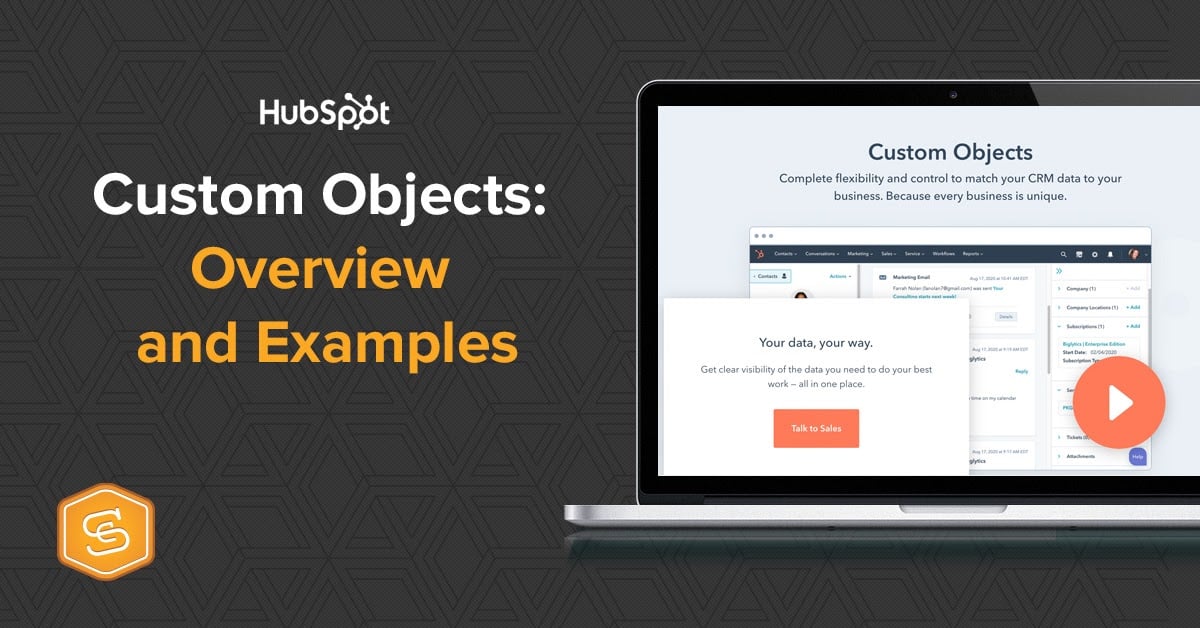 Custom objects in HubSpot are specialized data structures that allow users to store unique information beyond the standard contact, company, and deal records. These custom objects can be tailored to specific business needs, enabling better data organization and management within the HubSpot platform.Using custom objects provides several benefits for businesses looking to enhance their data management capabilities. By creating custom objects, organizations can capture and track data that is not accommodated by the default objects in HubSpot. This customization allows for a more comprehensive view of customer interactions, sales processes, and other vital business information.For example, a real estate agency could create a custom object for property listings, including details such as location, specifications, and pricing. This custom object would enable agents to manage and track property information in a structured manner, facilitating efficient sales processes and customer interactions. Similarly, an event management company could utilize custom objects to store attendee registrations, event details, and feedback, ensuring a centralized database for event planning and analysis.
Scenarios where Custom Objects are Useful
- Membership Management: Organizations can create custom objects to track member details, subscription status, and engagement levels, allowing for targeted communication and personalized outreach.
- Project Management: Custom objects can be used to manage project milestones, task assignments, and resource allocation, providing a comprehensive overview of project progress and performance.
- Product Catalogs: Businesses can leverage custom objects to store product information, pricing, and inventory levels, streamlining the sales process and enhancing customer shopping experiences.
Creating Custom Objects in HubSpot
Creating custom objects in HubSpot allows businesses to tailor their CRM to meet specific needs and capture unique data points. This customization can greatly enhance data organization and improve overall efficiency in managing customer information.Steps for Creating Custom Objects
- 1. Navigate to the Settings in your HubSpot account and select "Objects" under the "CRM" section.
- 2. Click on "Create Object" and choose the type of custom object you want to create (e.g., Companies, Deals, Tickets).
- 3. Define the properties for your custom object, including text fields, dropdown menus, date pickers, and more.
- 4. Customize the layout of your custom object by rearranging and organizing the properties to suit your workflow.
- 5. Set permissions for who can view, edit, and delete records within the custom object.
- 6. Save your custom object and start using it to store and manage relevant data.
Best Practices for Setting Up Custom Objects
- 1. Clearly define the purpose and use case for your custom object to ensure it aligns with your business goals.
- 2. Keep the number of properties in your custom object to a minimum to prevent clutter and streamline data entry.
- 3. Use naming conventions and standardized formats for properties to maintain consistency and facilitate searchability.
- 4. Regularly review and update your custom object settings to adapt to changing business requirements and optimize efficiency.
Customizing Custom Objects for Specific Business Needs
- 1. Utilize custom properties to capture unique data points that are not available in standard HubSpot objects.
- 2. Create custom workflows and automation rules to trigger actions based on specific criteria within your custom object.
- 3. Integrate your custom object with other tools and systems using HubSpot's API to enhance data syncing and accessibility.
- 4. Leverage reporting and analytics features to gain insights from the data stored in your custom object and make data-driven decisions.
Managing Data with Custom Objects
Custom objects play a crucial role in organizing and storing data efficiently within HubSpot. They allow you to create tailored data structures that align with your specific business needs, making it easier to manage and access information.
Maintaining Data Integrity within Custom Objects
Ensuring data integrity is essential when working with custom objects. Here are some strategies to maintain data accuracy and consistency:
- Establish clear data entry protocols to prevent errors and inconsistencies.
- Regularly audit and clean up data to eliminate duplicates and outdated information.
- Implement validation rules to enforce data standards and prevent incorrect entries.
- Train users on proper data handling practices to minimize human errors.
Optimizing Data Retrieval and Analysis from Custom Objects
Efficient data retrieval and analysis are key benefits of using custom objects. To optimize this process, consider the following tips:
- Utilize custom object properties and associations to create meaningful relationships between data points.
- Implement indexing on frequently accessed fields to speed up data retrieval.
- Utilize HubSpot reporting tools to generate custom reports and analyze data effectively.
- Regularly review and refine your data structure to ensure it meets evolving business requirements.
Integrating Custom Objects with Workflows
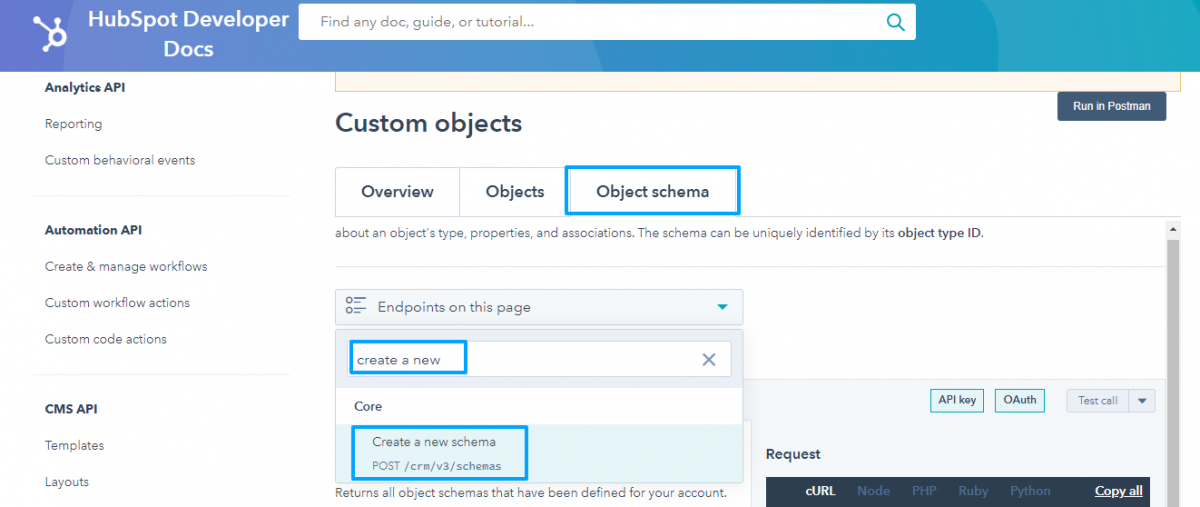
Integrating custom objects with workflows in HubSpot allows for seamless automation and efficient data management. By connecting custom objects to workflows, businesses can streamline processes and ensure data accuracy.
Automating Workflows with Custom Objects
Automating workflows using custom objects simplifies complex tasks by triggering specific actions based on predefined criteria. This integration enhances productivity and reduces manual intervention.
- Custom objects can be used to automatically assign tasks to team members when a certain condition is met, speeding up the workflow process.
- By integrating custom objects with workflows, companies can send personalized email notifications to customers based on their interactions with the custom objects.
- Custom objects enable the automation of lead scoring and qualification processes, ensuring timely follow-ups and conversions.
Concluding Remarks
In conclusion, Advanced HubSpot Development: Creating Custom Objects for Better Data is a powerful tool that can revolutionize how businesses handle and leverage their data. By implementing custom objects effectively, organizations can streamline processes, improve data accuracy, and enhance overall efficiency. Dive into the realm of custom objects and unlock the full potential of your data management strategy.
Expert Answers
What are custom objects in HubSpot?
Custom objects in HubSpot are specialized modules that allow users to create unique data structures beyond the standard contact and company records. They provide a flexible way to store and organize data specific to a business's needs.
How can custom objects benefit data management?
Custom objects improve data management by enabling businesses to categorize and structure information in a more tailored manner. This leads to better organization, easier access, and enhanced data analysis capabilities.
Can custom objects be integrated with external systems?
Yes, custom objects can be integrated with external systems through APIs or third-party tools, allowing for seamless data exchange and synchronization across platforms.