
Kicking off with The Power of HubSpot Development: Customizing Your CRM for Growth, this opening paragraph is designed to captivate and engage the readers, setting the tone casual formal language style that unfolds with each word.
The content of the second paragraph that provides descriptive and clear information about the topic
Introduction to HubSpot Development
HubSpot Development involves customizing the HubSpot CRM platform to meet the specific needs and goals of a business. This customization allows companies to optimize their CRM system for better efficiency, productivity, and growth.Examples of Customizations in HubSpot CRM
- Creating custom fields: Businesses can add custom fields to capture unique data points specific to their industry or customer base.
- Automating workflows: Setting up automated workflows helps streamline processes and improve response times.
- Integrating third-party apps: HubSpot allows for seamless integration with other tools and software to enhance functionality.
Importance of Customizing CRM for Business Growth
Customizing a CRM system like HubSpot is crucial for businesses looking to scale and drive growth. Here's why:
- Improved data management: Tailoring the CRM to your needs ensures accurate data capture and analysis for informed decision-making.
- Enhanced customer experience: Personalizing interactions based on customized data fields leads to more meaningful engagements with clients.
- Increased efficiency: Automation and tailored workflows save time and resources, allowing teams to focus on strategic tasks.
Key Features of HubSpot CRM
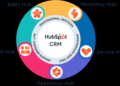
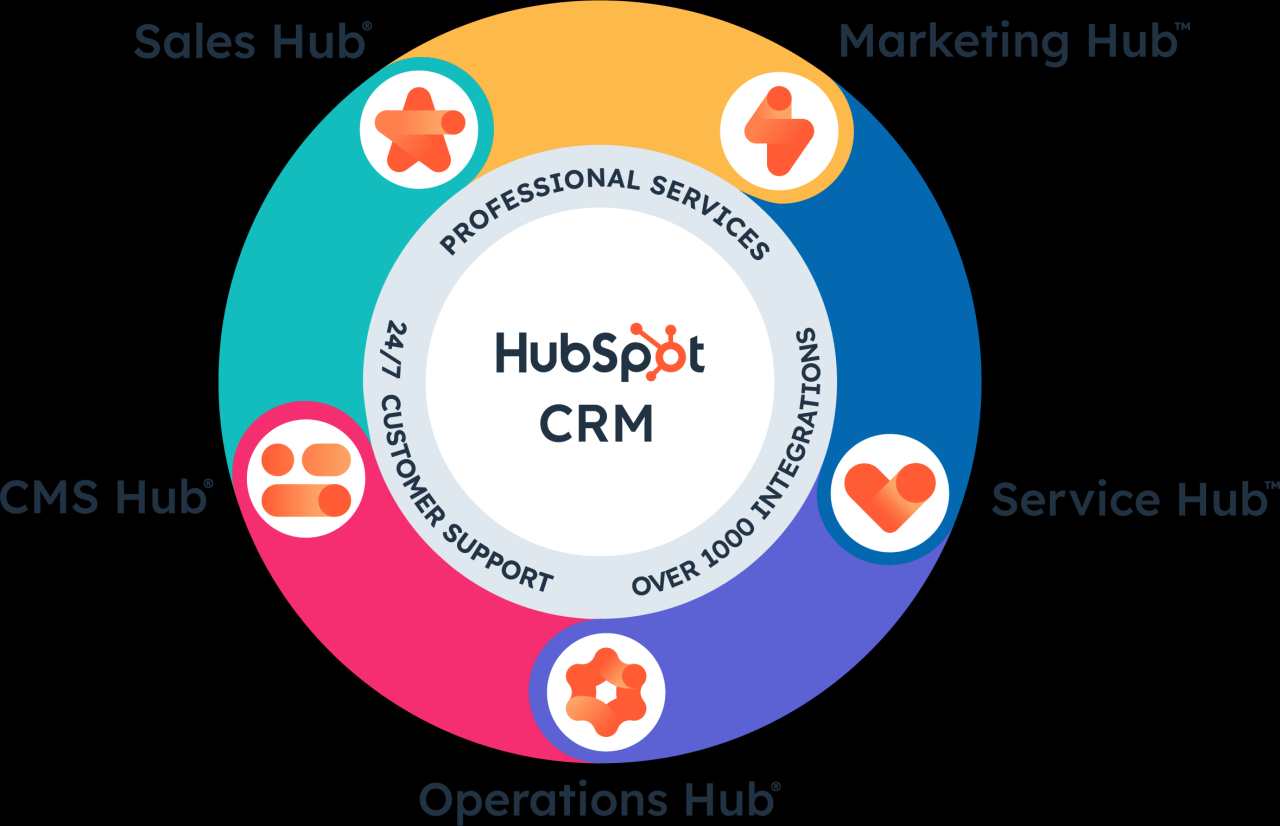
HubSpot CRM offers a variety of key features that can be customized to suit the specific needs of businesses, ultimately leading to improved efficiency and growth. Let's explore some of these features and how they can be tailored to different business requirements.Contact Management
Contact management is at the core of any CRM system, and HubSpot CRM excels in this area. Users can easily organize, track, and engage with their contacts through the platform. This feature can be customized by creating custom properties for contacts, allowing businesses to capture specific information that is relevant to their operations.Deal Pipeline Management
HubSpot CRM provides a visual representation of the sales pipeline, making it easy for users to track the progress of deals at every stage. Businesses can customize deal stages, properties, and automation to align with their sales processes. This customization ensures that the CRM adapts to the unique needs of each business, resulting in more accurate reporting and forecasting.Marketing Automation
Another key feature of HubSpot CRM is its robust marketing automation capabilities. Users can create targeted campaigns, automate lead nurturing, and track the performance of their marketing efforts. By customizing workflows, users can automate repetitive tasks, personalize communication with leads, and streamline marketing processes. This customization can significantly improve the efficiency of marketing teams and drive better results.Reporting and Analytics
HubSpot CRM offers advanced reporting and analytics tools that allow businesses to track key metrics, measure performance, and make data-driven decisions. Users can customize reports, dashboards, and metrics to focus on the most relevant data for their business. This customization enables businesses to gain valuable insights into their operations, identify areas for improvement, and optimize their strategies for growth.Overall, by customizing these key features of HubSpot CRM to align with their specific business needs, organizations can enhance their efficiency, streamline their processes, and drive growth in a competitive market.Customization Options in HubSpot Development
When it comes to customizing your CRM through HubSpot Development, there are various options available to tailor the platform to suit your specific business needs.
Custom Fields and Properties
One way to personalize your CRM is by creating custom fields and properties to capture unique information about your contacts, deals, or companies. This allows you to track and store data that is relevant to your business processes.
- Example: You can create a custom property to track a specific product interest of a contact, enabling your sales team to tailor their approach based on this information.
- Example: Custom fields can be used to categorize contacts based on their industry or preferences, helping you segment your audience for targeted marketing campaigns.
Workflow Automation
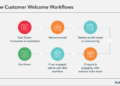
HubSpot allows you to automate repetitive tasks through workflows, streamlining your processes and improving efficiency. Customizing workflows can help you nurture leads, engage customers, and manage internal operations more effectively.
- Example: You can set up automated email sequences triggered by specific actions taken by a contact, ensuring timely and relevant communication.
- Example: Workflows can be customized to assign tasks to team members based on certain criteria, facilitating smoother collaboration and task management.
Custom Reporting Dashboards
By creating custom reporting dashboards, you can visualize key metrics and performance indicators that matter most to your business. This customization option allows you to track progress, identify trends, and make data-driven decisions.
- Example: You can build a dashboard to monitor the effectiveness of your marketing campaigns, showing metrics like conversion rates, ROI, and lead generation performance.
- Example: Custom reports can be designed to analyze sales pipeline stages, forecasting revenue, and identifying areas for improvement in your sales process.
Benefits of Custom-Developed Solutions
While HubSpot offers a range of out-of-the-box features that are user-friendly and efficient, custom-developed solutions provide a more tailored approach to meet your specific requirements.
- Custom solutions can address unique business challenges and workflows that may not be fully supported by standard features.
- Developing customized functionalities allows you to create a seamless integration with other tools or systems your business uses, enhancing overall productivity.
Integrations with HubSpot CRM
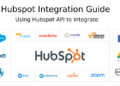
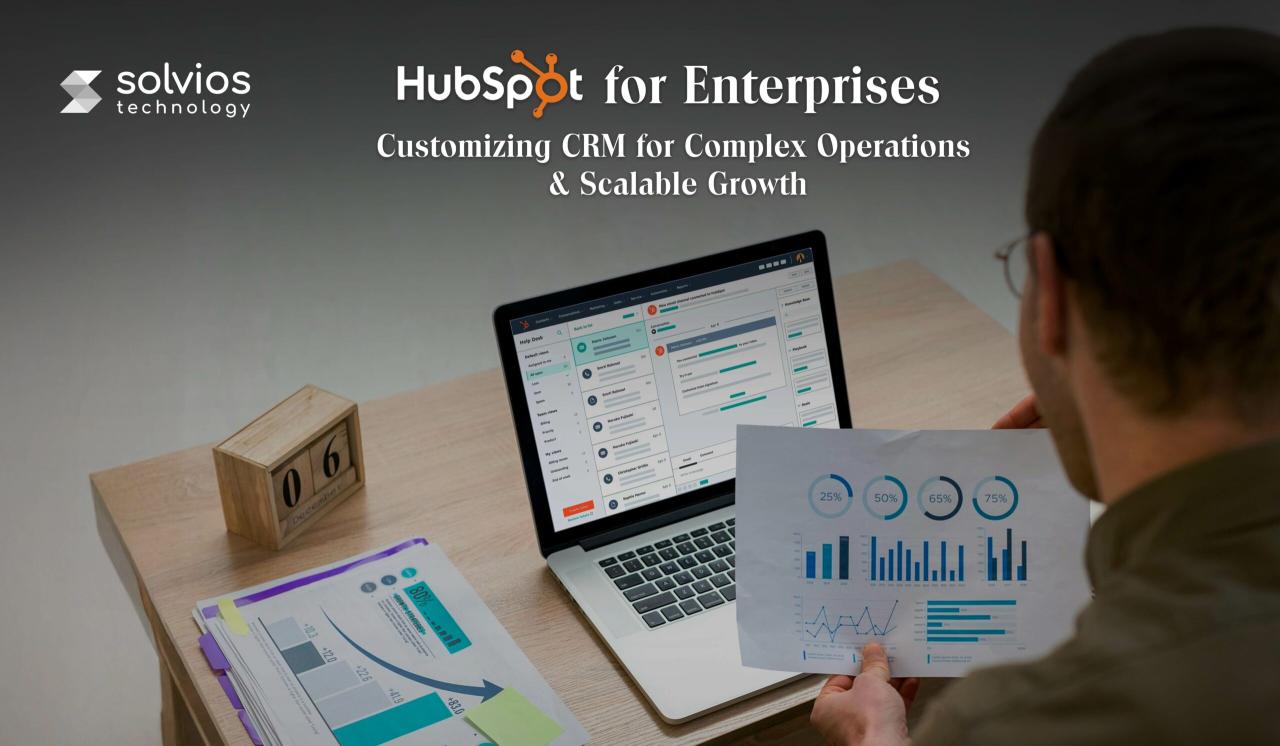 Integrating third-party tools with HubSpot CRM is crucial for businesses looking to enhance the functionality of their CRM system and streamline processes. By integrating external applications, businesses can access additional features, automate tasks, and consolidate data in one centralized location.
Popular Integrations for HubSpot CRM
Some of the popular integrations that can enhance the functionality of HubSpot CRM include:- Mailchimp: Integrate Mailchimp with HubSpot CRM to easily manage email campaigns, track subscriber activity, and analyze campaign performance.
- Salesforce: Seamlessly connect Salesforce with HubSpot CRM to synchronize customer data, streamline sales processes, and improve collaboration between sales and marketing teams.
- Zapier: Use Zapier to create automated workflows between HubSpot CRM and other apps, allowing for efficient data transfer and task automation.
- SurveyMonkey: Integrate SurveyMonkey with HubSpot CRM to gather customer feedback, track survey responses, and improve customer satisfaction.
Best Practices for Seamless Integration
To maximize the capabilities of HubSpot CRM through seamless integration, businesses should consider the following best practices:- Identify Integration Needs: Determine which third-party tools are essential for your business processes and select integrations that align with your specific requirements.
- Ensure Data Consistency: Maintain data integrity by mapping fields accurately between HubSpot CRM and external applications to avoid discrepancies or data loss.
- Test Integration Workflows: Conduct thorough testing of integration workflows to identify and resolve any issues before fully implementing the integration.
- Train Users: Provide training to users on how to effectively utilize integrated tools within HubSpot CRM to ensure seamless adoption and maximize productivity.
Developing Custom Solutions for Business Growth
Developing custom solutions within HubSpot CRM can significantly enhance a business's ability to grow and succeed. By tailoring tools to specific needs and processes, companies can streamline operations, improve efficiency, and ultimately drive revenue growth.Step-by-Step Guide to Creating Tailored Tools for Growth
- Identify Business Needs: Start by identifying key areas where custom solutions can address specific pain points or optimize existing processes.
- Define Requirements: Clearly Artikel the requirements and objectives for the custom solution to ensure alignment with business goals.
- Design and Development: Work with a skilled development team to design and develop the custom solution according to the defined requirements.
- Testing and Feedback: Thoroughly test the custom solution and gather feedback from end-users to identify any necessary adjustments or improvements.
- Implementation and Training: Roll out the custom solution across the organization and provide training to ensure successful adoption and utilization.
- Monitoring and Optimization: Continuously monitor the performance of the custom solution and make any necessary optimizations to maximize its effectiveness.
Real-Life Examples of Successful Custom Development for Growth
Company A
: Company A implemented a custom reporting tool within HubSpot CRM that allowed them to track and analyze key performance metrics in real-time, leading to a 20% increase in sales efficiency.Company B
: Company B integrated a custom lead scoring system into their HubSpot CRM, enabling them to prioritize high-quality leads and achieve a 15% growth in conversion rates.Company C
: Company C developed a custom workflow automation tool that streamlined their sales process and reduced lead response time by 50%, resulting in a significant boost in revenue.
Final Wrap-Up
The content of the concluding paragraph that provides a summary and last thoughts in an engaging manner
FAQ Summary
What is HubSpot Development?
HubSpot Development involves customizing and enhancing the capabilities of the HubSpot CRM system to meet specific business needs and objectives.
How can businesses personalize their CRM through customization options in HubSpot Development?
Businesses can personalize their CRM by tailoring features, workflows, and data fields to align with their unique processes and requirements.
Why is integrating third-party tools with HubSpot CRM significant?
Integrating third-party tools enhances the functionality of HubSpot CRM by providing additional capabilities and streamlining processes.